The main objective of this study is to find out how much energy it costs per litre of
milk produced.
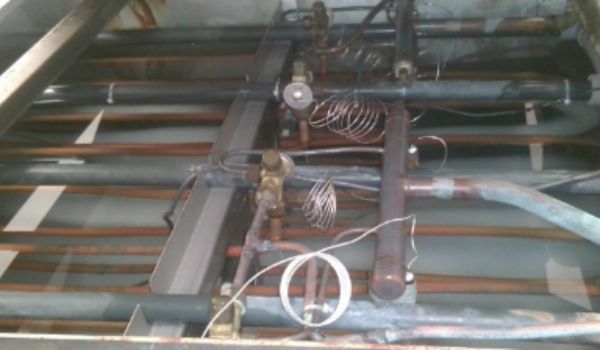
There are various types of equipment involved in the milk cooling process, from cooling
plates to vacuum pumps. The majority of energy consumption occurs during the process
of extracting milk from the cow and cooling it to the optimal storage temperature.
Initially, the milk is pumped from the cow through a plate heat exchanger, which is filled
with ice-cold water produced by the chiller.
Chiller
The average power rating for a chiller used to
produce ice-cold water for cooling milk typically
ranges between 5 kW and 20 kW.
Smaller dairy operations might use chillers on
the lower end of this range, while larger
operations with higher milk volumes or more
rapid cooling requirements might use chillers
closer to 15-20 kW or even higher. The specific
power rating will depend on factors such as the
volume of milk being cooled, the required
cooling
Plate Exchanger
A plate heat exchanger itself does not directly consume energy; it operates passively, relying on the flow of fluids through its channels to transfer heat. The cooling process in a plate heat exchanger is driven by the temperature difference between the fluids (e.g., milk and ice water) that flow through it. However, the plate heat exchanger is part of a system that includes pumps, which do consume energy. The pumps are responsible for circulating the milk and the cooling fluid (such as ice water or glycol) through the heat exchanger. The energy used in this process is mainly due to these pumps, and possibly the chiller that provides the cold fluid.
Pump
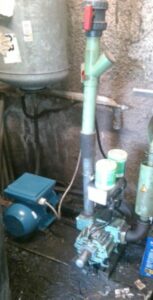
The power rating of pumps used on dairy farms to pump milk through a cooling system typically ranges from 0.5
kW to 3 kW. Smaller farms or systems with lower milk flow rates might use pumps on the lower end of this range, around 0.5 to 1.5 kW
Larger farms or those with higher milk volumes and more complex systems might use pumps closer to 2 to 3 kW.
The exact power rating depends on several factors, including the size of the farm, the distance the milk needs to be pumped, the flow rate required, and the design of the cooling system.
Conclusion
So, while the plate heat exchanger itself doesn’t use energy, the overall cooling process involves energy consumption from the pumps and chiller. The amount of energy depends on the size of the pumps, the flow rates, and the specific cooling requirements.
This step reduces the milk’s temperature from around 37°C to approximately 5°C. The milk is then further cooled in the storage tank to about 3°C.

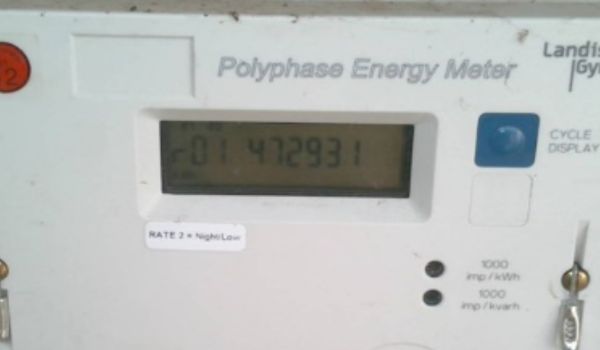
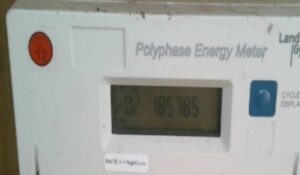
Meter Reading before Milking

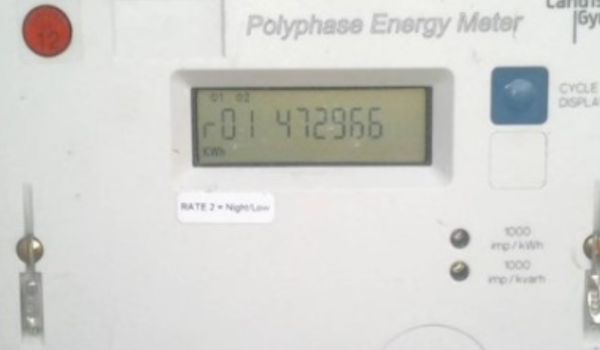
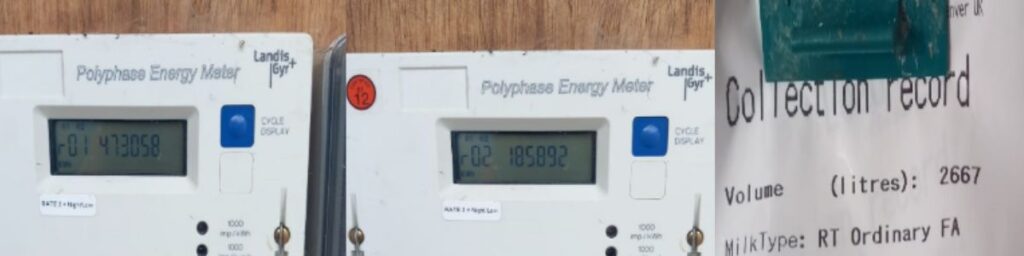
Meter Reading After Milking
Objective
Our goal is to determine the most energy-efficient method for cooling milk from the cow to the storage tank. The milk starts out warm, which indicates potential energy waste during the cooling process. To better understand our energy usage, we took meter readings at 3 PM and again at 6 PM, after milking had finished. During this period, we used a total of 33 kWh. With an average cost of 23p per kWh, this resulted in an energy cost of £7.90.

Two Rate Meter Read before Study
The farm that we did this case study for has a two rate tariff in the above information the two rate is not mentioned as the milking took place in the afternoon.
This was the first milking to start filling up the tank, the tank was emptied 2 days later as you can see below you can see the final meter reading for both rates and the number of litres that had been produced. What we are able to ascertain is how much milk (L) vs (KWH) it cost.
Below is a graph to show you Amount it would cost in energy for each litre of Milk you produce